
Menopause Belly and Bloating: A Caribbean-Inspired Nutrition Guide

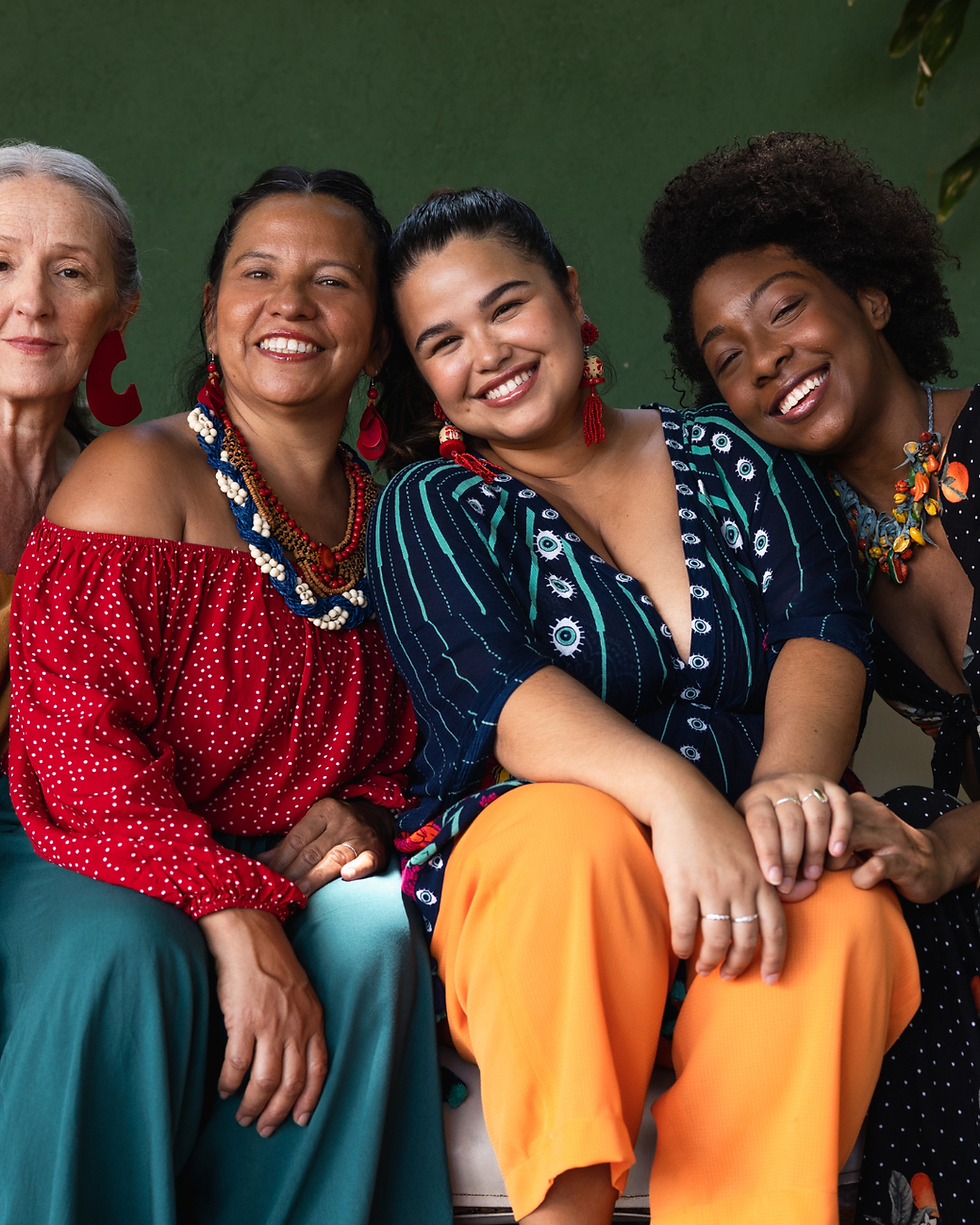
For many women over 40, the belly seems to take on a personality of its own. One minute your clothes fit nicely, the next minute you feel swollen, heavy, uncomfortable and wondering, “Where did this stomach come from?” Add menopause into the mix, and suddenly the foods you used to tolerate may leave you feeling bloated, sluggish or frustrated.
Menopause belly and bloating are common concerns, but they are not always caused by the same thing. Sometimes it is increased abdominal fat linked to hormonal and metabolic changes. Sometimes it is digestive bloating caused by gas, constipation, food intolerance, stress, eating too quickly or changes in gut function. Sometimes it is both — because, of course, the body likes to keep us humble.
During perimenopause and menopause, falling oestrogen can influence body composition, fat distribution, insulin sensitivity, sleep, mood and energy. The NHS lists weight changes, mood changes, sleep problems, joint aches and other physical and emotional symptoms as common during menopause and perimenopause. When sleep is poor, stress is high and blood sugar is swinging up and down, cravings often increase and the body may become more likely to store fat around the middle.
But here is the good news: you do not have to give up your culture, your Sunday dinner or every food you grew up loving. A Caribbean-inspired menopause plate is not about punishment. It is about balance.
Why Caribbean women need culturally relevant menopause advice
A lot of menopause nutrition advice sounds like it was written for someone who only eats salmon, quinoa and rocket leaves. Lovely foods, but not the whole story.
For Caribbean and Afro-Caribbean women, food is often connected to family, identity, faith, celebration and comfort. Rice and peas, plantain, yam, green banana, callaloo, okra, soups, stews, roti, dumpling and Sunday dinner are not just “carbs” or “meals”. They are memories. They are culture. They are home.

The British Menopause Society has highlighted that menopause experiences among ethnic minority women are not always well understood, and that culture, ethnicity and attitudes towards symptoms and treatment can influence how women seek support. This is why culturally relevant nutrition matters. Women should not have to choose between looking after their health and respecting their heritage.
The question is not, “How do I cut out all Caribbean food?”
The better question is:
How do I build a menopause-friendly plate using the foods I know and enjoy?
What may be driving menopause bloating?
Bloating can come from several places. The NHS notes that bloating may be linked with fizzy drinks, alcohol, caffeine, large late meals, processed foods, sugary or fatty foods, food intolerances and gas-producing foods such as beans, lentils and cabbage.
For Caribbean-style eating, common bloating triggers may include:
Large portions of starchy foods in one meal
Beans, peas and lentils, especially if not soaked or cooked well
Fried foods
Fizzy drinks and sweet drinks
Eating late at night
Constipation
Eating quickly
Stress and poor sleep
Too little water
Too little fibre, or suddenly increasing fibre too quickly

Now, before anyone gets nervous, this does not mean kidney beans, gungo/pigeon peas, cabbage or callaloo are “bad”. Many traditional foods are rich in fibre, minerals and plant nutrients. The problem is often portion, preparation, timing and balance.
The Caribbean Menopause Plate Method
A simple way to reduce bloating and support metabolism is to build your plate in a way that steadies blood sugar and supports digestion.
Try this simple structure:
1. Start with protein
Protein helps support muscle, appetite control and blood sugar balance. This is especially important after 40, when maintaining muscle becomes more important for metabolic health.
Caribbean-friendly protein options include:
Fish
Chicken
Turkey
Eggs
Lentils
Beans and peas
Tofu
Greek yoghurt
Sardines
Mackerel
Lean stewed meats
Aim to include protein at each meal, especially breakfast. Tea and toast may be quick, but by 11am your blood sugar may be auditioning for a drama series.
2. Choose your starch wisely
You do not need to fear carbohydrates. The Women’s Health Concern explains that starchy carbohydrates break down into glucose more slowly than simple sugars and can provide a steadier supply of energy when eaten appropriately.
The issue is often stacking several starches together.
For example, one plate may include rice and peas, macaroni pie, plantain, potato salad and a sweet drink. Delicious? Yes. Menopause-metabolism friendly every day? Not quite.
Better approach:
Choose one or two starches, then balance the rest of the plate with protein and vegetables.
Examples of Caribbean starches:
Rice and peas
Yam
Green banana
Sweet potato
Plantain
Cassava
Breadfruit
Roti
Dumpling
You can still enjoy them. Just give them a sensible seat at the table, not the whole sofa.
3. Add fibre and colour
Fibre supports digestion, bowel regularity, gut bacteria and blood sugar balance. The British Dietetic Association recommends wholegrains, fruit and vegetables as part of eating well during menopause.
Caribbean-friendly fibre and colour options include:
Callaloo
Okra
Cabbage
Carrots
Cucumber
Watercress
Pumpkin
Peppers
Aubergine
Beans and peas
Lentils
Salad
Steamed greens
If you are not used to eating much fibre, increase slowly. A sudden fibre increase can make bloating worse before it gets better. Your gut needs time to adjust.
4. Watch sweet drinks and hidden sugars
Many women focus on the food but forget the drink. Sweetened teas, fruit punch, fizzy drinks, condensed milk drinks, sweet juices and large amounts of alcohol can all affect blood sugar and bloating.
Try:
Water with lime, cucumber or mint
Unsweetened herbal teas
Smaller portions of juice
Sparkling water if tolerated
Reducing sugar gradually rather than going cold-turkey
Blood sugar balance is not about perfection. It is about reducing the daily spikes that leave you tired, hungry and craving more.
5. Support digestion gently
For bloating, digestion habits matter just as much as food choices.
Try these simple steps:
Chew slowly
Avoid eating large meals very late at night
Take a short walk after meals
Drink enough water
Notice whether beans, cabbage, onions or dairy worsen symptoms
Manage constipation early
Keep a simple food and symptom diary
For IBS-type bloating, the NHS suggests strategies such as eating oats regularly, using up to one tablespoon of linseeds daily, and identifying foods that may be difficult to digest.
A simple Caribbean-inspired menopause plate
Here is an example:
Protein: grilled fish, stewed chicken or lentils
Starch: small serving of rice and peas or boiled green banana
Vegetables: callaloo, cabbage, okra or salad
Healthy fat: avocado or a little olive oil-based dressingDrink: water, herbal tea or unsweetened drink
This kind of plate helps you enjoy cultural foods while supporting your blood sugar, digestion and energy.
When to get medical advice
Bloating is common, but it should not be ignored if it is persistent, painful or unusual for you.
Please speak to your GP if bloating is ongoing, worsening, accompanied by unexplained weight loss, blood in your stool, persistent constipation or diarrhoea, severe pain, vomiting, loss of appetite, or if your abdomen feels swollen most days. It is always better to check. Wisdom is not worry; it is stewardship.
Final thoughts
Menopause belly and bloating can feel discouraging, especially when your body seems to change without permission. But your body is not broken. It may simply need a different strategy for this season.
A Caribbean-inspired menopause approach does not mean giving up the foods you love. It means learning how to balance them in a way that supports your hormones, digestion, blood sugar and metabolism.
At My Bloated Belly Club, we believe simple changes can make a meaningful difference. No frills. No shame. No throwing away your culture with the kitchen scraps.
Just practical, faith-guided support to help women over 40 feel lighter, healthier and more confident in their bodies.
Call to action: If menopause belly, bloating or weight changes are affecting your confidence, start with one simple step this week: build your plate with protein, fibre, colour and a sensible portion of starch. Your body does not need punishment — it needs support.


Comments