
The Hidden Connection Between Menopause, Blood Sugar, Gum Disease and Bone Loss


Why Your Dentist May Be Seeing Signs of Menopause and Gum Disease Before You Do
Many women are surprised to learn that menopause doesn't just affect hot flushes, mood, sleep, and weight. It can also have a significant impact on your mouth, gums, teeth, and jawbone.
If you've noticed bleeding gums, increased sensitivity, loose teeth, gum recession, dry mouth, or have been told you are experiencing dental bone loss, your hormones may be playing a bigger role than you realise.
The truth is that menopause, blood sugar imbalance, inflammation, and oral health are closely connected. Understanding this relationship can help you take action before minor gum problems become more serious.
What Happens to Your Mouth During Menopause?
As oestrogen levels decline, changes occur throughout the body, including in the tissues that support your teeth.
Oestrogen helps:
Maintain healthy bone density
Regulate inflammation
Support blood flow to the gums
Maintain collagen production
Protect oral tissues
When oestrogen levels fall, women may experience:
Dry mouth
Burning mouth syndrome
Increased gum sensitivity
Bleeding gums
Gum recession
Higher risk of periodontal disease
Increased risk of jawbone loss
These changes can begin during perimenopause and continue into post-menopause.
The Missing Piece: Blood Sugar
Many women focus solely on hormones when they enter menopause, but blood sugar may be equally important.
As oestrogen declines, the body often becomes less sensitive to insulin. This means glucose remains in the bloodstream longer, causing blood sugar levels to rise more easily.
This can lead to:
Increased belly fat
Cravings
Fatigue
Brain fog
Weight gain
Increased inflammation
What many women don't realise is that elevated blood sugar can also damage the gums.
When blood sugar remains consistently high:
Harmful bacteria thrive more easily
The immune system becomes less effective
Healing slows down
Inflammation increases
Bone breakdown accelerates
This creates the perfect environment for periodontal disease.
Understanding Periodontal Disease
Periodontal disease is a chronic inflammatory condition affecting the tissues that support your teeth.
In its early stages, symptoms may include:
Bleeding when brushing
Red or swollen gums
Persistent bad breath
Gum tenderness
As it progresses, the inflammation can begin destroying the ligaments and bone supporting the teeth.
Without intervention, this may eventually lead to:
Gum recession
Loose teeth
Tooth loss
Significant jawbone deterioration
The process is often slow and painless, which is why many people do not realise it is happening.
Inflammation: The Common Denominator
Inflammation sits at the centre of the menopause–blood sugar–gum disease connection.
Declining hormones can increase inflammation.
Unstable blood sugar can increase inflammation.
Poor sleep can increase inflammation.
Chronic stress can increase inflammation.
This inflammatory burden doesn't stay in one part of the body. It affects the whole system, including the gums and bones.
Researchers increasingly recognise periodontal disease as a whole-body inflammatory condition rather than simply a dental problem.
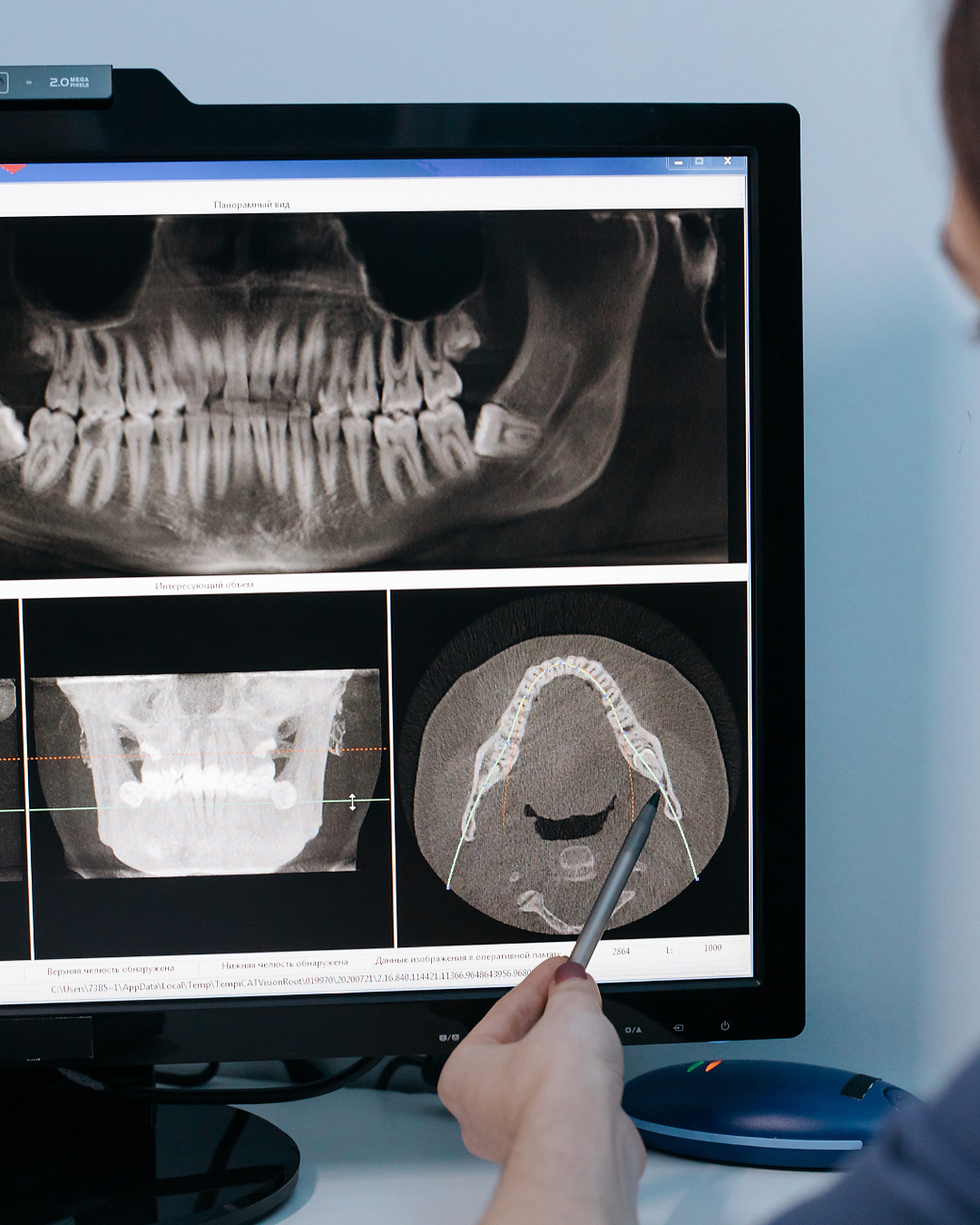
Why Bone Loss Matters
Many women think about osteoporosis affecting the hips and spine.
Few realise that the jawbone can also be affected.
The jawbone constantly remodels itself throughout life. Healthy bone tissue is continuously broken down and rebuilt.
During menopause:
Bone breakdown can accelerate
Bone formation can slow
Chronic inflammation can worsen the process
If periodontal disease is also present, bone loss around the teeth may progress more rapidly.
This is one reason dentists often monitor menopausal women more closely for signs of gum disease and bone changes.
The encouraging news is that there are many practical steps that support both metabolic health and oral health.
1. Stabilise Blood Sugar
Focus on:
Protein at every meal
Fibre-rich vegetables
Healthy fats
Reducing sugary snacks and drinks
Managing stress
Regular movement
Stable blood sugar supports healthier gums and may help reduce inflammation throughout the body.
2. Prioritise Protein
Protein provides the building blocks for:
Collagen
Bone tissue
Gum repair
Immune function
Women over 40 often consume less protein than they need.
Aim to include quality protein with each meal.
3. Support Bone Health
Important nutrients include:
Vitamin D
Vitamin K2
Magnesium
Calcium from food sources
Boron
Zinc
These nutrients help support healthy bone metabolism.
4. Consider CoQ10
Research suggests that CoQ10 may support gum health by:
Supporting cellular energy production
Reducing oxidative stress
Improving healing responses
Supporting healthy circulation
While it is not a cure for bone loss, it may be a useful addition to a comprehensive oral health strategy.
5. Improve Oral Hygiene
Daily habits matter.
Brush twice daily
Clean between teeth
Stay hydrated
Attend regular dental check-ups
Address bleeding gums early
Bleeding gums should never be considered normal.
6. Manage Stress
Stress increases cortisol levels.
Elevated cortisol can contribute to:
Higher blood sugar
Increased inflammation
Poor sleep
Reduced healing
Supporting the nervous system is therefore an important part of supporting both metabolic and oral health.
The Bottom Line
Your mouth is not separate from the rest of your body.
Menopause, blood sugar, inflammation, bone health, and gum health are all connected.
If you are struggling with menopause belly, fatigue, cravings, inflammation, or blood sugar imbalance, it may be worth paying attention to your gums as well.
Likewise, if you have been diagnosed with gum disease or dental bone loss, it may be time to look beyond your toothbrush and consider what is happening with your hormones, metabolism, nutrition, and overall health.
By supporting your body as a whole, you can help protect not only your waistline and energy levels but also your smile for years to come.


Comments